







Search Results for: Coffee Bean Flavor Profiles
A Complete Analysis of Arabica Coffee Bean Flavors: From Sour, Bitter, Sweet, and Mellow to the Taste Profiles of Representative Varieties by Region
The world of coffee flavors is rich and diverse, with sourness, bitterness, sweetness, and body each having their representative bean varieties. This article systematically reviews the typical producing regions of Arabica coffee beans across different flavor profiles, and introduces one by one the taste characteristics and brewing suggestions for single-origin coffees such as East Timor, Ethiopia Limu and Harar, Indonesian Mandheling, and Peru. Whether you prefer bright fruity acidity or heavy, rich bitterness, you can find the cup that suits you here. Front Street Coffee will also draw on years of roasting experience to recommend beans worth trying. [more…]
Yirgacheffe Washed vs. Natural Processing Methods: Flavor Profiles, Green Bean Grades, and Taste Comparison
Ethiopia's Yirgacheffe is rightly regarded as a brilliant gem of the specialty coffee world, its delicate floral aromatics and citrus notes captivating countless coffee lovers. Yet coffee beans from the same Yirgacheffe region, when processed by two different methods—washed and natural—reveal entirely distinct flavor profiles. The washed method endows the coffee with bright, lively acidity and a clean mouthfeel, while the natural method brings rich, full-bodied fruit aromas and fermented wine-like notes. This article will dissect the core differences between Front Street Coffee's washed and natural Yirgacheffe products from three dimensions: green bean processing techniques, grading standards, and final cupping flavors, helping readers make more precise judgments when purchasing and tasting. [more…]
New to Coffee? How to Choose Beans: Flavor Profiles and Brewing Tips for Three Classic Black Coffee Varieties
Those new to coffee tasting are often overwhelmed by the dazzling array of bean varieties and flavor descriptions, unsure where to begin. In fact, beginners can start with beans from regions known for their distinctive flavors—such as Brazilian beans representing the Americas, Mandheling representing Asian growing regions, and Kenyan beans representing Africa. These three beans differ markedly in style, helping you quickly build an understanding of coffee flavors. This article focuses on these three classic black coffee beans, detailing their origins, roast levels, suitable brewing methods, and respective flavor characteristics, along with specific Front Street product recommendations, offering beginners a practical guide to choosing beans. [more…]

Yirgacheffe Coffee Beans Washed vs Natural: A Full Breakdown of Processing Methods, Flavor Profiles, and Brewing Differences
Yirgacheffe is one of Ethiopia's most representative specialty coffee regions, and its two processing methods—natural and washed—produce dramatically different flavor profiles. This article systematically sorts out the core differences between natural and washed Yirgacheffe from multiple dimensions, including regional background, processing techniques, the appearance of green and roasted beans, dry aroma cupping, and taste experience. The article also combines two specific products—Front Street Natural Red Cherry and Front Street Washed Gudingding—to help coffee lovers more intuitively understand the flavor directions brought by the two processing methods, providing a reference for everyday purchasing and brewing. [more…]
Costa Rica Finca El Gigante Blueberry Coffee: Bruncas Region Terroir, Anaerobic Heavy Honey Processing, and a Cupping Comparison of Three Roast Profiles
Front Street Coffee recently acquired a batch of blueberry coffee beans from Costa Rica's Las Rocas Estate; the green beans exude an intense sweet blueberry aroma and rose floral notes. To fully reveal the flavor potential of these beans, the roaster team designed three different roasting profiles and cupped them one by one, striving to find the most balanced roasting plan that best expresses the terroir. This article will guide you through the terroir background of the Brunca region, the varietal composition and anaerobic heavy honey processing of Las Rocas Estate, and present in detail the roasting parameters of the three profiles and the differences in cup flavors, helping coffee enthusiasts gain a deeper understanding of the charm of these beans. [more…]
A Comprehensive Analysis of Ethiopian Coffee Regions: Flavor Profiles and Cultivation Overview from Harrar to Yirgacheffe
As the birthplace of the coffee tree, Ethiopia occupies an irreplaceable position in the global coffee landscape. This East African nation has around 12 million people working in coffee and is one of Africa's most important exporters of Arabica coffee beans. From the high-altitude Harrar region, to Yirgacheffe (marketed under the brand name Yirga Cheffe), to Jimma, Sidamo and Limu, coffees from each area display distinctly different terroir-driven personalities. This article systematically outlines the distribution, cultivation methods, flavor characteristics and market flows of Ethiopia's major coffee regions, and introduces its unique drinking traditions and industry management mechanisms, giving you a complete picture of this homeland of specialty coffee. [more…]
A Complete Guide to Coffee Bean Varieties and an In-Depth Look at the Flavor Profiles of the World's Three Major Producing Regions
The flavor code of coffee is often hidden in the land where it grows. From Brazil and Colombia in South America, to Costa Rica and Guatemala in Central America, to Jamaica Blue Mountain in the Caribbean, as well as Kenya and Ethiopia in Africa and Indonesia in Asia, each producing region gives coffee beans a unique personality. This article systematically sorts out the flavor characteristics and representative bean varieties of the world's major coffee producing regions, helping coffee lovers build a clear framework for understanding regional flavors. Whether you are a beginner just starting out or a seasoned connoisseur seeking to advance, this producing-region guide can provide practical reference for your purchasing and tasting. Front Street Coffee will also combine regional characteristics to recommend classic beans worth trying for you. [more…]
A Complete Analysis of Colombian Coffee Regions, Varieties, and Grading: From Huila Flavor Profiles to Front Street Coffee Roasting and Brewing Guide
Colombia has long been known as the land of "green gold," and its coffee is renowned worldwide for its rich, full-bodied character reminiscent of dark chocolate. With the rise of the fourth wave of specialty coffee, Colombian coffee has revealed a wealth of fruity sweetness and floral aromas, once again drawing in both new and veteran coffee lovers. This article systematically outlines the distribution of Colombia's three major coffee-producing regions—northern, central, and southern—analyzes the core logic of its grading system, which focuses solely on bean size rather than flavor, and provides a detailed introduction to the flavor profiles, medium-roast approach, and V60 three-pour brewing parameters of Front Street Coffee's everyday beans such as Huila, Narino, and Sidra, helping readers gain a comprehensive understanding of the diverse appeal of this South American coffee-producing nation. [more…]

Ethiopian Specialty Coffee Bean Buying Guide: Flavor Profiles and Representative Products of Four Major Regions Including Yirgacheffe
Ethiopia has the most diverse coffee cultivation systems in the world, with four major models: forest, semi-forest, garden, and plantation, with ninety percent of its coffee coming from the first three. This unique landscape has given rise to a rich tapestry of specialty coffee. This article starts with representative producing regions such as Yirgacheffe and Guji, and introduces several Front Street brand Ethiopian coffee beans, including the Gotiti Cooperative, Huakui, Red Cherry, and washed Yirgacheffe, covering altitude, variety, processing method, and flavor characteristics, to help coffee lovers build a clear approach to selection and tasting. [more…]
A Complete Guide to Kenyan Coffee Varieties: Flavor Profiles and Pour-Over Parameters for SL28, SL34, Ruiru11, and Batian
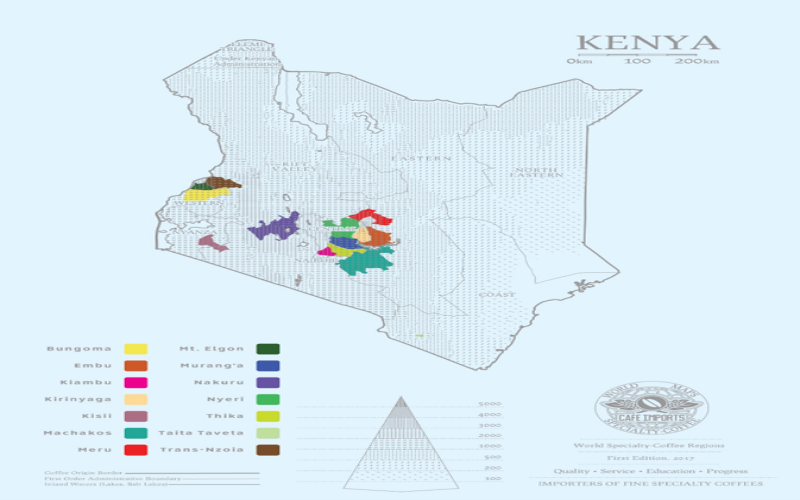
Although Kenya and Ethiopia are both in Africa and not far apart, their coffee flavor profiles are completely different—the former is known for its sweet-and-sour notes reminiscent of dark plums, cherry tomatoes, and caramel. This uniqueness stems both from the volcanic soil at altitudes of 1,600 to 2,100 meters from the capital Nairobi to the Kenyan highlands, and from the contribution of classic varieties such as SL28 and SL34. This article will trace the evolution of Kenyan coffee varieties: from the Bourbon variety introduced by French missionaries, to the selection of SL28 and SL34 by the Scott Laboratories, to Ruiru11 developed in response to pests and diseases, and Batian, which was released in 2010. It also includes brewing suggestions and flavor descriptions for Front Street Coffee Kenya·Asalia, for the reference of coffee enthusiasts. [more…]
A Complete Guide to Brazilian Coffee Origins: From Variety Origins to Six Major Regions and Flavor Profiles
Brazil is the world's largest coffee-producing country, yet more than three hundred years ago there was not a single coffee tree here. From a romantic tale of seed-passing in 1727 to the six major producing regions spread across the country today, Brazilian coffee has traveled a long and winding road. This article will trace the varietal origins and historical development of Brazilian coffee, introduce the distribution of the six major producing regions—Bahia, Espírito Santo, Minas Gerais, São Paulo, Paraná, and Rio de Janeiro—and focus on presenting the origin information, processing methods, and flavor profiles of two Brazilian beans from Front Street Coffee: Queen Estate Yellow Bourbon and Cerrado Red Bourbon, helping coffee enthusiasts gain a comprehensive understanding of the charm of Brazilian coffee. [more…]
A Complete Guide to Single-Origin Coffee: An In-Depth Review of Flavor Profiles and Signature Beans from Major Producing Regions Worldwide
Single-origin coffee refers to coffee beans from a single region that express the characteristics of their terroir. The climate, soil, and processing methods of different origins give coffee a kaleidoscope of flavor profiles. This article systematically reviews the representative beans of more than a dozen classic coffee-growing regions around the world, covering Jamaican Blue Mountain, Cuban Crystal Mountain, Colombia, Brazil, Indonesian Mandheling and Java, Costa Rica, Kenya, Ethiopian Mocha, Guatemalan Antigua, Tanzanian Kilimanjaro, Hawaiian Kona, and more. It introduces each one's taste characteristics, flavor tonality, and suitable ways to drink it, helping coffee lovers build a complete framework for understanding origin flavors. The single-origin beans recommended by Front Street Coffee are also mentioned in the article for purchasing reference. [more…]

Brazilian Coffee Flavor Analysis: Comparing Queen's Farm and Cerrado Taste Profiles with Front Street Coffee's Selected Bean Recommendations
Brazil, as the world's largest coffee producer, is known for the balanced character of its coffee beans. This article explores the overall flavor profile of Brazilian coffee, focusing on the origins, varieties, and taste differences between two single-origin beans, Queen's Estate and Cerrado, while also outlining several espresso blend recipes from Front Street Coffee that include Brazilian beans, such as Specialty Blend, Commercial Blend, Dark Cocoa Blend, and Classic Blend. Covering flavor notes like nuts, chocolate, and caramel, it offers coffee lovers with different needs a reference ranging from everyday drinkers to more advanced choices. [more…]
Yunnan Small-Bean Coffee Typica vs. Catimor: A Full Analysis of Variety Characteristics, Flavor Profiles, and Processing Method Differences
Yunnan, as China's main coffee-producing region, has two varieties that attract considerable attention: Typica and Catimor. Typica is an ancient native variety from Ethiopia, elegant in flavor but weak in disease resistance; famous beans such as Blue Mountain and Mandheling all belong to this lineage. Catimor, by contrast, is a hybrid of Caturra and Timor. Because it carries Robusta genes, it is disease-resistant and high-yielding, making it the commercial mainstay of Yunnan. The two differ markedly in mouthfeel, processing method, and grind setting. Front Street Coffee recommends combining honey processing classification with the fruit development cycle to gain a deeper understanding of their flavor trajectories. This article systematically compares the two varieties' varietal background, cultivation performance, and in-cup performance, helping enthusiasts make precise purchasing and brewing choices. [more…]
A Complete Guide to Colombian Coffee Flavor Profiles and Regions: A Practical Brand Selection Guide
Colombia is the world's third-largest coffee producer and the largest exporter of Arabica coffee beans. Its geographic proximity to Brazil and Panama has closely linked it to high-quality coffee. Three branches of the Cordillera mountains run north to south, and the high altitudes and volcanic ash soil give rise to coffee with unique flavors. This article will guide you through the differences between Colombia's commercial and specialty coffee regions, help you master green bean grading standards, avoid purchasing pitfalls, and get to know the fruity aroma, chocolatey sweetness, and caramel finish of Front Street Colombia coffee. [more…]
Yirgacheffe Three Major Production Regions Coffee Guide: A Complete Analysis of Varieties, Processing Methods, and Flavor Profiles
Yirgacheffe is one of Ethiopia's most iconic specialty coffee regions, but the flavor differences brought by different micro-regions and different processing methods are enormous. This article takes three distinctive Yirgacheffe coffees as examples, respectively from Kochere, Aricha, and Gedeb, covering the native Heirloom variety, fully washed, and raised-bed natural processing methods, and describes in detail each one's varietal background, green bean processing flow, grade classification, and cupping flavor performance—from lemon floral notes to fermented fruit sweetness, and further to a fruit-bomb-like rich tonality—helping coffee enthusiasts fully understand the flavor spectrum of Yirgacheffe and Front Street brand's approach to bean selection. [more…]
Front Street Yirgacheffe Natural vs. Washed Flavor Comparison: A Detailed Guide to Aricha G1 and Blue Nile G1 Cup Profiles, Varieties, and Processing Methods
Yirgacheffe is one of Ethiopia's most representative specialty coffee regions, and the two processing methods—natural and washed—give the coffee beans entirely different flavor profiles. Front Street Natural Yirgacheffe Aricha G1 is known for its lively citrus-lemon acidity, apricot blossom and nut aromas, and honey-brown sugar sweetness, with a sweet-and-tart fruity tea finish; while Front Street Blue Nile G1 is washed, presenting a clean, lifted jasmine aroma and citrus acidity. This article will compare these two Yirgacheffes in detail from the perspectives of variety, processing method, and taste characteristics, and share the story behind the high Coffee Review cupping score, helping coffee lovers gain a deeper understanding of the stylistic differences between natural and washed coffees. [more…]
Brazilian Coffee Brands Overview: A Full Analysis of Arabica Bean Characteristics and Flavor Profiles
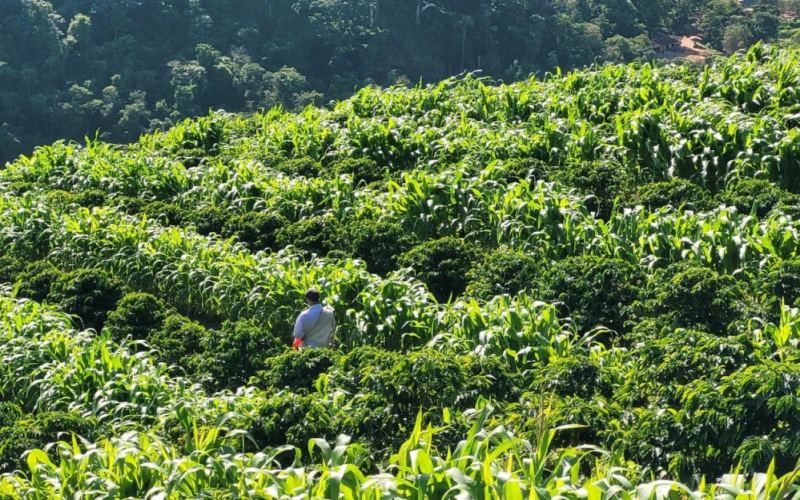
Brazil, as the world's largest coffee producer and second-largest consumer, holds a pivotal position in the coffee industry. This article focuses on Brazilian coffee brands and bean varieties, with particular emphasis on answering whether Brazilian coffee beans belong to the Arabica species and how they perform in terms of flavor. The article begins with two single-origin selections from Front Street Coffee—Red Bourbon and Yellow Bourbon—providing a detailed comparison of their varietal origins, processing methods, and flavor differences, and extends to espresso blends containing Brazilian beans, including Front Street Specialty Blend, Dark Cocoa Base Blend, Classic Blend, and Commercial Blend, helping coffee enthusiasts gain a comprehensive understanding of the sweetness, nutty, and chocolate notes of Brazilian Arabica coffee. [more…]
Yirgacheffe Coffee Bean Buying Guide: A Full Analysis of Regional Characteristics, Processing Method Differences, and Flavor Profiles
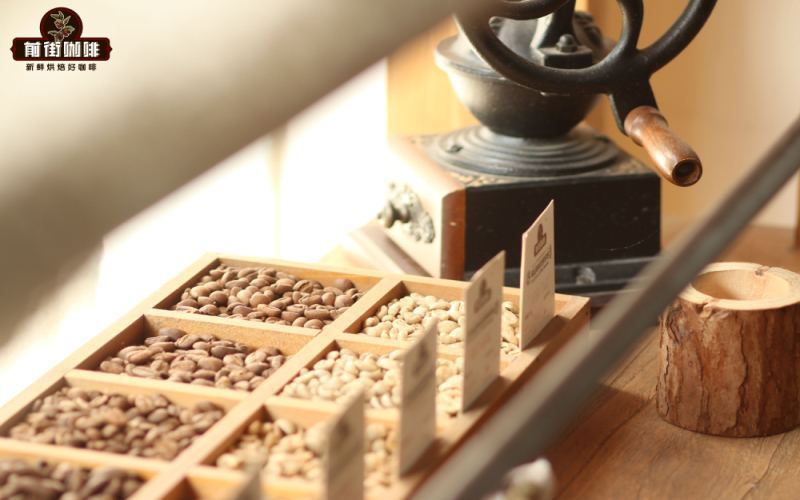
Yirgacheffe is one of Ethiopia's most representative specialty coffee regions, known for its delicate floral aromas and citrusy acidity. Faced with the bewildering array of washing station names and processing methods on the market, many coffee lovers often don't know where to start. Drawing on Front Street Coffee's experience, this article sorts out the history of the Yirgacheffe region, the flavor differences between washed and natural processing methods, and the taste profiles of specific beans such as Gutinguting, Red Cherry, and Dorothy, while also offering Front Street's brewing parameter suggestions to help readers systematically understand how to choose a Yirgacheffe coffee bean that suits them. [more…]
An Analysis of Panama's Specialty Coffee Regions: Flavor Profiles and Roasting Suggestions for Boquete and Volcán
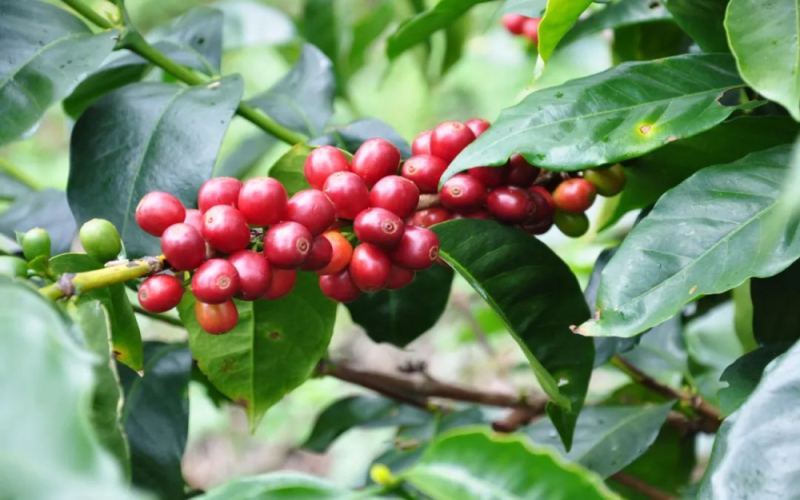
Although Panama is a small country, it has become a shining star in the specialty coffee world thanks to its two major regions, Boquete and Volcán. Boquete sits on the fertile soils and microclimates beneath Volcán Barú, giving rise to top varieties such as Geisha; Volcán, with its extremely high altitude and mixed fruit-growing model, endows coffee with rich fruity aromas and sweetness. This article provides a detailed overview of the terroir conditions, representative bean varieties, and Front Street brand recommendations of these two regions, and analyzes how different roast levels affect flavor expression, offering coffee lovers a complete understanding from origin to cup. [more…]